
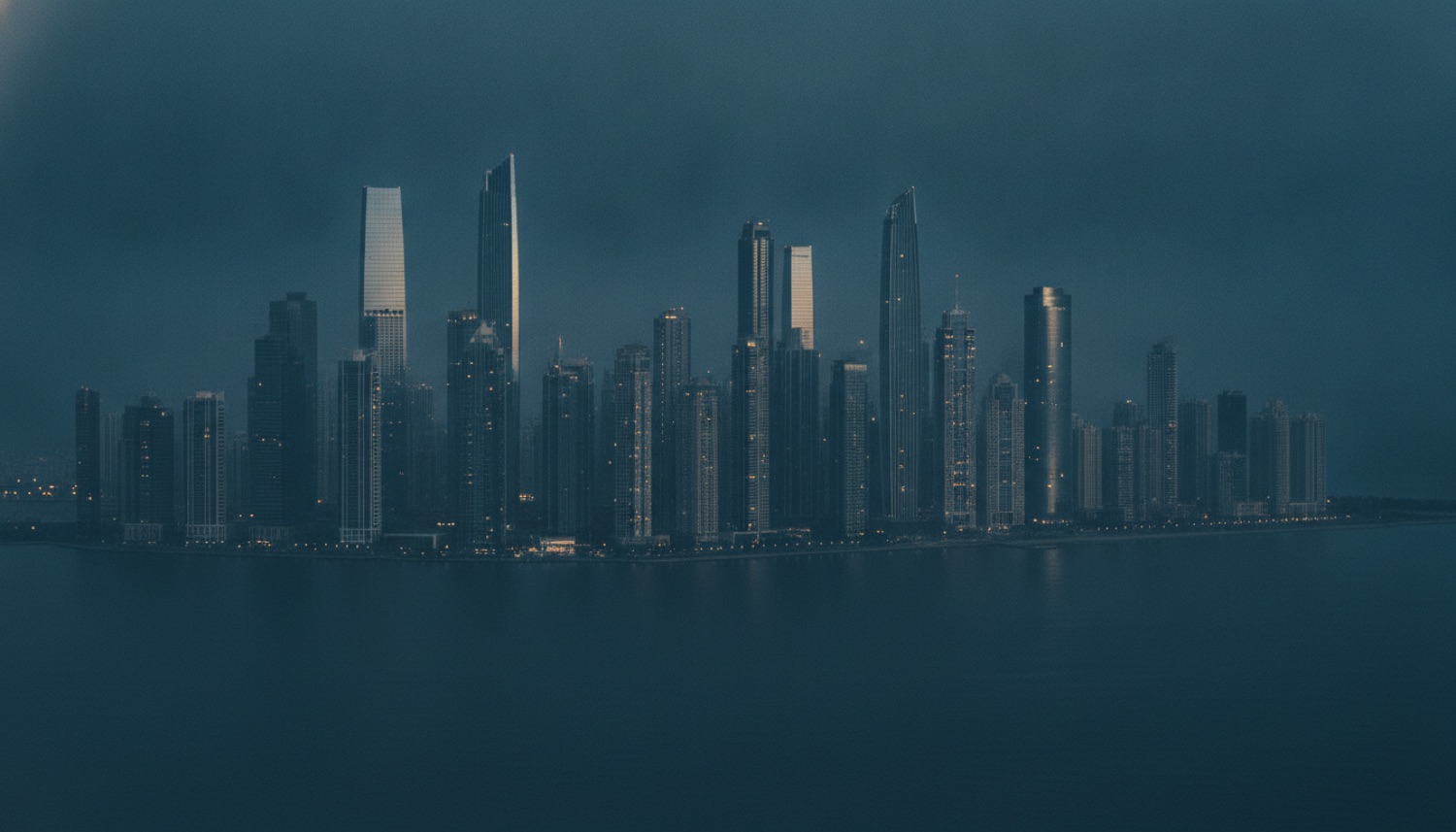
Dubai Real Estate 2024: The AED 522bn Year That Redefined Scale
A record-shattering full year in which Dubai crossed half a trillion dirhams in property transactions and off-plan cemented its grip on the market.
Dubai closed 2024 with roughly AED 522bn in total property transactions across about 169,000 deals, the largest year in the emirate's history at the time. Off-plan sales drove the surge, and price growth broadened from prime districts into mid-market communities. This report breaks down the numbers, the launches, and the policy shifts that set the base for an even bigger 2025.
The half-trillion milestone
Dubai's 2024 was defined by a single number: roughly AED 522bn in total property transactions, spread across about 169,000 deals. Both figures set records, and the gap between them tells the real story, volume grew faster than value, meaning the market widened rather than simply inflating at the top.
The compound trajectory is stark. In 2019, before the pandemic, Dubai recorded around AED 156bn in transactions. By 2022 the market had more than doubled to AED 411bn, held that level through 2023, then jumped roughly 27% to breach half a trillion dirhams in 2024.
Three forces converged. First, sustained inbound migration of high-net-worth individuals, entrepreneurs and remote professionals kept end-user and investor demand elevated. Second, developers responded with an aggressive launch calendar, feeding an off-plan machine that accounted for the bulk of deal flow. Third, Dubai's zero personal income tax, political stability and residency pathways continued to differentiate it against global peers where financing costs and taxation squeezed returns.
Crucially, 2024 was not a narrow prime-only rally. While Palm Jumeirah and Downtown captured headlines, the sharpest volume growth came from mid-market communities where end-users and yield-seeking investors competed for the same stock.
Dubai crossed half a trillion dirhams in 2024, AED 522bn across ~169k deals, both all-time records.
The read
Off-plan takes the wheel
Off-plan property accounted for roughly 68% of all 2024 transactions by volume, up around five points on the prior year and the clearest structural shift in the market.
The appeal is mechanical. Off-plan units are typically priced below comparable ready stock, developers offer post-handover payment plans that lower the entry barrier, and buyers gain leverage on price appreciation during the construction window. In a rising market, that leverage compounded returns.
Where the launches landed
- Waterfront and island product from Emaar, Nakheel and Meraas absorbed the premium end of demand.
- Emerging inland districts, Dubai South, Jumeirah Village Circle, and the growth corridors along Mohammed Bin Zayed Road, captured volume-led investor money.
- Branded residences proliferated, letting developers command a premium per square foot by attaching hospitality and fashion names to towers.
The risk conversation matured alongside the boom. With off-plan supply expanding sharply, analysts began flagging the medium-term handover wave, the volume of units due to complete in 2026 and 2027, as the key variable for rental and resale pricing. For 2024 itself, however, absorption kept pace with launches, and secondary-market resale premiums on popular off-plan projects stayed firmly positive.
Prices, yields and the mid-market engine
Average residential price per square foot rose to roughly AED 1,560 across the emirate in 2024, up close to 19% year on year. But the headline average masks a wide spread, and the spread is where the opportunity lived.
Yields inverted the prestige hierarchy. The highest gross rental yields sat not in the trophy districts but in the affordable and mid-market belt. Jumeirah Village Circle led at around 8.4%, with Dubai Sports City and Al Furjan close behind. Prime addresses, Palm Jumeirah, Downtown, delivered stronger capital appreciation but gross yields nearer 5%.
This divergence shaped strategy. Capital-growth buyers chased scarcity in prime; income buyers chased cash flow in the mid-market. Both won in 2024 because the whole curve moved up.
The psf spread
Prime waterfront and island stock traded well north of AED 2,500 psf, with ultra-prime Palm and Emirates Hills villas breaking records on a per-foot basis. Mid-market apartments, by contrast, remained accessible below AED 1,300 psf, keeping the ladder open for first-time investors and end-users.
The rental market reinforced the picture: average rents climbed by double digits across most communities, tightening yields at the point of purchase but rewarding those already holding stock.
- Jan 2024Record January transactionsThe year opened with the strongest first month on record, signalling momentum from 2023 would carry over.
- Mar 2024Unprecedented April rainfallThe heaviest storms in 75 years briefly disrupted handovers but did not dent transaction momentum.
- Jun 2024Golden Visa property threshold entrenchedThe AED 2m property route to a 10-year residency continued to pull long-term capital into off-plan.
- Sep 2024First Mortgage / DLD digital pushLand Department expanded blockchain-backed title and instant registration pilots, cutting friction for investors.
- Nov 2024Emaar and Nakheel mega-launchesA wave of waterfront and island launches added tens of thousands of units to the off-plan pipeline.
- Dec 2024Year closes at AED 522bnFull-year value settled near AED 522bn across roughly 169,000 deals, up around 27% on 2023.
- 01Dubai crossed half a trillion dirhams in 2024, AED 522bn across ~169k deals, both all-time records.
- 02Off-plan drove ~68% of volume; post-handover payment plans and price leverage kept demand ahead of supply.
- 03Yields inverted prestige: mid-market JVC and Sports City out-yielded Palm and Downtown by 300+ basis points.
- 04The 2024 launch wave sets up a 2026-27 handover surge, the key variable to watch for future rent and resale pricing.
Turn the data into a shortlist.
Our desk maps every trend in this report to live stock. Send your brief and get a costed shortlist the same day.
WhatsApp the desk →